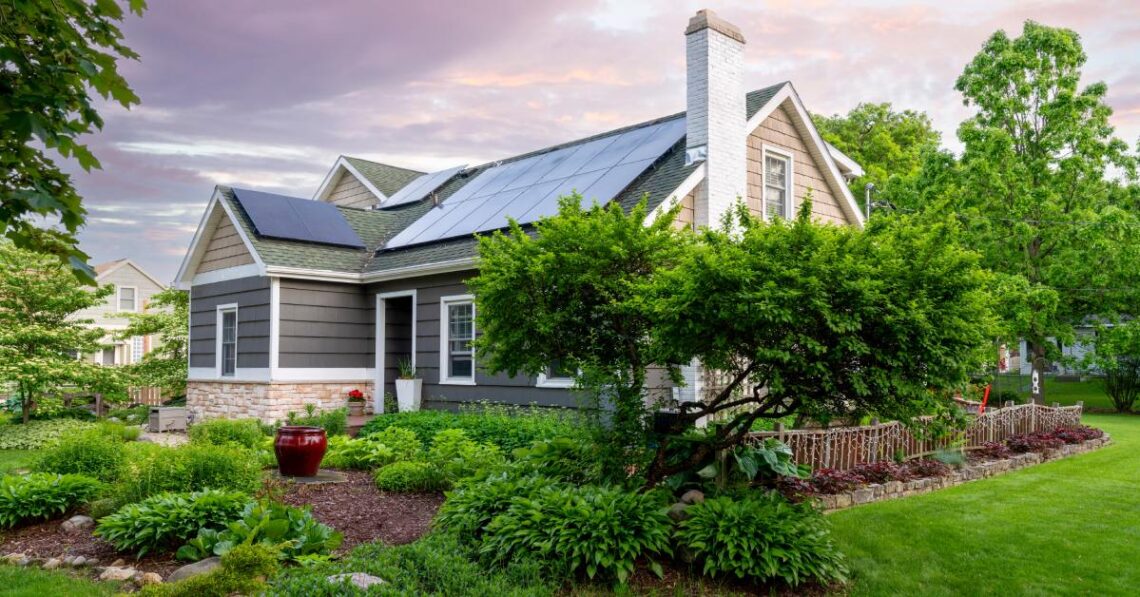
How To Optimize Solar Panels Regardless of Weather

Solar panels are an incredible investment! Whether you’re a homeowner looking to slash your energy bills or a business owner aiming to reduce overhead costs, harnessing the power of the sun makes sense. But here’s the thing: weather happens. Clouds roll in, rain pours down, and snow piles up. Does that mean your solar panels are taking a vacation? Absolutely not!
Let’s dive into how you can optimize your solar panels regardless of the weather.
Understanding How Weather Affects Solar Panel Performance
Solar panels are a great option to make your home more sustainable, but that doesn’t mean everyone understands how they work.
First things first: solar panels don’t need scorching sunshine to work. They generate electricity from daylight, not heat. That means even on overcast days, your panels are still collecting energy.
Different weather can impact efficiency. Heavy cloud cover reduces the amount of light reaching your panels, resulting in lower energy production. Other weather conditions, like rain and snow, also pose challenges for solar panels, but with proper maintenance, you can keep your panels working well no matter the weather.
Keep Those Panels Clean
Designing solar panels to survive wind and weather doesn’t change the fact that they’ll get dirty. Dirt, dust, pollen, and bird droppings can accumulate on your solar panels, blocking precious sunlight. Regular cleaning is essential for optimal performance!
Pro tip: Clean your panels early in the morning or late in the evening when they’re cooler. Spraying cold water on hot panels can cause thermal shock and potential cracking.
Adjust the Angle Strategically
The angle of your solar panels significantly impacts how much sunlight they capture throughout the year. During winter, the sun sits lower in the sky, while in summer it sits higher.
If you have adjustable mounting systems, tweaking the angle seasonally can boost energy production by up to 10-15%! For winter, increase the tilt angle to capture more low-angle sunlight. In summer, decrease it slightly to maximize exposure when the sun is overhead.
Many modern solar installations include tracking systems that automatically adjust panel angles throughout the day to follow the sun’s path.
Prepare for Seasonal Challenges
Winter: Snow accumulation can temporarily halt energy production. While most snow will slide off tilted panels naturally, you can gently clear snow with a soft-bristled brush or roof rake. Never use sharp tools or hot water! Most importantly, prioritize safety. If you can’t reach panels safely from the ground, wait for the snow to melt naturally or hire professionals.
Spring: Pollen season means more frequent cleaning. This is also an excellent time to inspect your system for winter weather damage and schedule professional maintenance.
Summer: Peak production season! However, extreme heat can actually reduce panel efficiency slightly. Ensure adequate ventilation around panels and monitor performance to establish your summer baseline.
Fall: Falling leaves can accumulate on panels and in gutters. Clean more frequently during leaf season, and trim overhanging branches before winter storms.
Maximize Your Solar Investment
Solar panels are remarkably resilient and efficient, even when weather conditions aren’t perfect. By implementing these optimization strategies, you’ll ensure your system delivers maximum energy production year-round. Start optimizing your solar energy system today!


4 Comments
Shannon Mitchell
I know it was the case recently but my husband deals with companies that sell these and they said it takes so many years to get your money back on solar panels, that by that time, you’ll need to replace the panels.
Tamra Phelps
I would love to have solar panels here. I feel like the electric bills would go down tremendously.
heather
I am seeing these on more and more houses in my area. I would like to get them too but I have a lot of questions and this post was helpful for me to read.
Terri Quick
Great post