
Key Tips for Maintaining Your Spray Foam Equipment
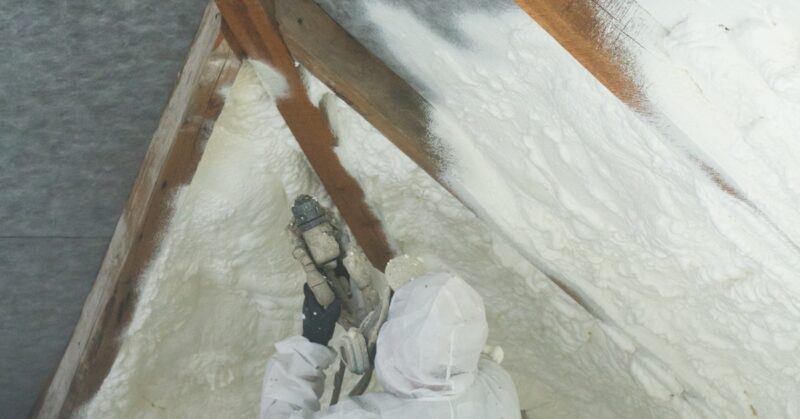
Let’s be honest here: your spray foam equipment has probably seen better days. Maybe it’s covered in more foam residue than a college dorm room after a particularly wild party, or perhaps it’s making sounds that would make a dying walrus jealous. These key tips for maintaining your spray foam equipment can be the difference between a rig that purrs like a content cat and one that wheezes like your uncle at Thanksgiving dinner.
Clean Your Equipment Like Your Business Depends on It
Here’s the thing about spray foam: it’s clingy. Really clingy. It sticks to everything with the determination of a toddler refusing to leave the toy store. If you don’t clean your equipment properly after each use, that foam will set up harder than concrete.
Start by flushing your system with appropriate cleaning solvents immediately after use. Don’t wait until tomorrow, next week, or when you “feel like it.” That foam doesn’t care about your schedule, after all. There are definite signs you’re not cleaning your spray foam rig properly, like abnormal textures, and you don’t want to discover them the hard way.
Temperature Matters More Than You Think
Your spray foam equipment is basically a diva when it comes to temperature. Too hot, and it throws a tantrum. Too cold, and it refuses to perform. Keep your material temperatures within the manufacturer’s specified range.
This range typically involves heating your chemicals to a temperature between 120 degrees Fahrenheit and 140 degrees Fahrenheit, depending on your specific system and the surrounding ambient conditions. Think of it as preheating your oven, except you get perfectly applied foam that actually sticks to the materials used in housing construction instead of dripping off like melted ice cream.
Pressure Settings Aren’t Suggestions
Getting your pressure settings right is like tuning a guitar; get it wrong, and everything sounds terrible. Too little pressure, and your foam comes out looking like whipped cream from a dying canister. Too much pressure, and you’ll be wearing more foam than you’re applying, which is neither efficient nor a good look.
Check your pressure settings before each job and adjust them based on the specific materials you’re using and the ambient conditions. Different foam formulations require different pressures, and atmospheric conditions can affect how your equipment performs.
Keeping Up Equipment Love
Remember these key tips for maintaining your spray foam equipment: clean it regularly, monitor temperatures closely, and set pressures correctly. Your future self will thank you when your equipment starts up smoothly on that important job instead of making sounds like a dying robot.
Equipment maintenance isn’t glamorous, but neither is explaining to your customer why you’ve decorated half a client’s basement is now decorated in unintentional foam art. Take care of your rig, and it’ll take care of your reputation.





One Comment
heather
I would image that hot summer days can be a challenge for foam equipment. Makes me think about all the car washes during the summer months.