Eco-Friendly Kitchen Cabinet Ideas: Sustainable Materials and Designs
Table of Contents
- Bamboo Cabinets
- Reclaimed Wood
- Formaldehyde-Free Materials
- Low-VOC Finishes
- Plywood Options
- Freestanding Furniture
- Open Shelving
- Energy-Efficient Lighting
- Conclusion
Creating an eco-friendly kitchen means making mindful choices that prioritize sustainability without compromising on aesthetics or practicality. Selecting the right materials and designs for your kitchen cabinets is pivotal in reducing your home’s environmental footprint. From resource-conscious woods to non-toxic finishes, there are innovative ways to combine green living with stylish design. If you’re planning a remodel, consider exploring ready to assemble cabinets made from sustainable materials to simplify installation and minimize waste.
Sustainable kitchen cabinetry not only supports environmentally responsible practices but can also result in a healthier, longer-lasting, and more unique space. Whether you are building a new kitchen or updating an existing one, choosing eco-friendly cabinet options can enhance visual appeal and foster peace of mind by supporting a greener home and a healthier planet.
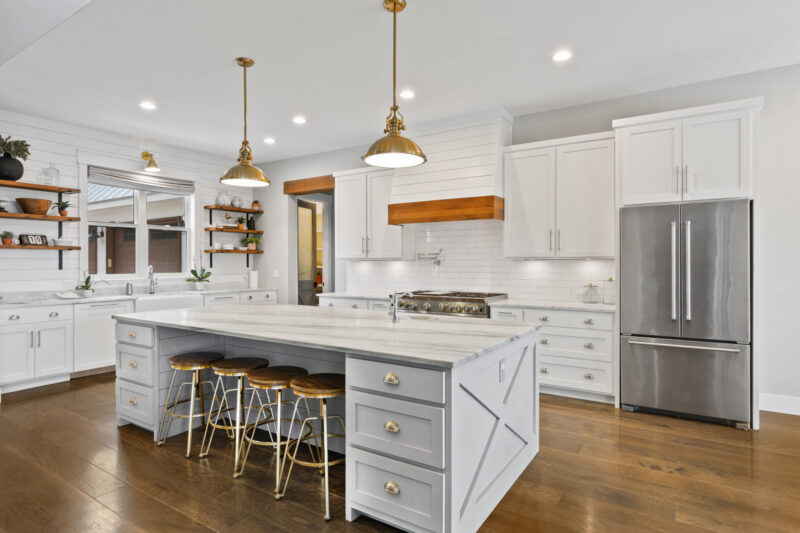
Bamboo Cabinets
Bamboo is quickly becoming a favorite for sustainable cabinetry materials due to its abundance and rapid regrowth. Unlike hardwood trees, which may take decades to mature, bamboo can be harvested within 3 to 5 years, making it a more sustainable resource. Bamboo cabinetry features a naturally attractive finish and superior strength, resulting in kitchen cabinets that are visually distinct and tough enough for everyday use.
Additionally, bamboo is remarkable for its resistance to swelling and warping due to humidity, making it an especially savvy choice for kitchens, where heat and moisture are always present. It’s available in a variety of colors and grain patterns, making it versatile for a range of interior design styles, from modern minimalism to Scandinavian simplicity to earthy rustic. When paired with non-toxic adhesives and water-based stains, the cabinet’s full lifecycle remains green. It’s worth consulting with your contractor about the source of the bamboo, as certifications like FSC (Forest Stewardship Council) ensure it’s grown responsibly. This additional step can deepen the sustainability of your kitchen remodel and support responsible harvesting practices worldwide.
Reclaimed Wood
Reclaimed wood provides an eco-friendly cabinet solution that imbues the kitchen with rustic character and historical intrigue. By utilizing wood salvaged from older buildings, barns, or industrial sites, homeowners lessen the need for new lumber production, helping conserve forests and reduce landfill contributions. Every cabinet made from reclaimed wood is unique, featuring aged textures and grains that bring depth and warmth to any kitchen design. True reclaimed wood often tells a story and can be a conversation starter as well as a source of pride for eco-conscious homeowners. The history inherent in the beams or planks can add a sense of provenance and authenticity to your space.
Additionally, using reclaimed materials can sometimes allow for the incorporation of rare or old-growth species that are no longer harvested today. Maintaining these cabinets is important; natural beeswax or oil-based polishes can help preserve their texture while keeping maintenance eco-friendly. Homeowners should also request certification from reputable salvage yards to confirm the wood’s authenticity and ensure that no new trees were felled for the project.
Formaldehyde-Free Materials
Many traditional kitchen cabinets are constructed from pressed wood, plywood, or particleboard, which are bonded with adhesives containing formaldehyde, a known indoor air pollutant. Opting for cabinets built with formaldehyde-free materials can improve your home’s air quality and benefit your health over time. Look for certifications from organizations such as GREENGUARD, which verify that the materials emit low or no formaldehyde. This simple switch can safeguard your family and make your kitchen a safer and more enjoyable space. When researching cabinet options, ask specifically about the core materials and bonding agents used.
Interior air quality has become increasingly important in green building certifications, and the choice of non-toxic materials in cabinetry can earn points for programs like LEED (Leadership in Energy and Environmental Design). Not only does this impact your immediate environment, but it also creates a ripple effect that encourages manufacturers across the industry to adopt safer, cleaner formulations. For added safety, ensure all trim, shelving, and drawers facing the interior are made of equally safe materials to prevent any hidden sources of off-gassing.
Low-VOC Finishes
Paints, stains, and sealants often release volatile organic compounds (VOCs) that degrade both indoor air quality and the environment. Choosing cabinets that are finished with low-VOC or water-based coatings is an important step towards a healthier home. These finishes are available in a wide range of hues and sheens, allowing you to experiment with design while prioritizing indoor air quality. This approach is recommended for creating greener homes.
Working with a manufacturer or painter knowledgeable about sustainable finishing techniques can further enhance your kitchen’s green credentials. For example, some natural oil finishes and plant-based options are rapidly gaining popularity for both their performance and minimal environmental impact. Low-VOC finishes not only maintain healthier living spaces during installation but also reduce ongoing emissions over the product’s life. Plus, they are easier to touch up without reintroducing harmful chemicals into your home, making repairs and updates an eco-friendly process from start to finish.
Plywood Options
Plywood made from sustainably managed forests is a durable, environmentally sound option for kitchen cabinets. Responsible manufacturers use FSC-certified wood products, which ensure that trees are harvested sustainably, supporting biodiversity and ecological balance. Plywood’s layered construction makes it less prone to warping and splitting than traditional lumber, while still providing a sleek, contemporary look for your space.
Eco-friendly plywood cabinets can be finished in natural stains or painted to fit any kitchen style. Newer plywood products can be formaldehyde-free and made using soy-based adhesives, which are non-toxic and renewable. Because plywood is engineered by layering thin sheets of wood, it allows for more efficient use of raw timber compared to solid boards. As a result, it often has a lower net environmental impact. Homeowners can also consider plywood alternatives such as wheatboard or straw-based panels, which represent further eco-innovations in cabinetry. These materials maximize the use of agricultural by-products and offer compelling strength and finish options ideal for modern kitchens.
Freestanding Furniture
Incorporating reclaimed tables, antique hutches, or butcher blocks into your kitchen cabinetry adds both character and flexibility. These movable pieces can often be sourced secondhand, reducing overall demand for new materials while creating functional storage and workspace. Freestanding elements can be rearranged or updated over time, offering a cost-effective solution that evolves with your lifestyle. If you are seeking flexibility for changing layouts, freestanding furniture is an outstanding choice. Not only does this approach encourage design creativity, but it can also help make the most of high-quality vintage or heirloom pieces.
Many homeowners find that combining open shelves, rolling kitchen carts, and movable islands increases their workspace efficiency and lends the kitchen a welcoming, “collected” feel. For DIY enthusiasts, refinishing secondhand or flea-market finds with non-toxic paints further personalizes your eco-friendly kitchen while reducing waste.
Open Shelving
Opting for open shelving in place of upper cabinet boxes can significantly reduce your kitchen’s material footprint. This design encourages efficient organization and easy access to daily essentials, all while visually expanding your kitchen. Open shelves crafted from reclaimed or sustainably sourced wood add a warm, personal element to your space. Properly styled, they can become a visual focal point while promoting a clutter-free environment.
Open shelving can also encourage you to keep only what you need, naturally discouraging kitchen clutter and waste. It’s easy to update the style with a fresh coat of low-VOC paint or new mounting brackets made from recycled metal. Consider grouping open shelves in creative arrangements or mixing in glass or metal elements for a more eclectic flair. Minimalist kitchens particularly benefit from open shelving, and pairing shelves with energy-efficient LED lighting can add both function and ambiance to your eco-friendly space.
Energy-Efficient Lighting
Integrating energy-efficient lighting is a practical complement to eco-friendly cabinetry. LED lights, for example, use a fraction of the energy consumed by conventional bulbs and last considerably longer. These fixtures can be installed under cabinets to provide targeted illumination for sinks, counters, or prep stations, thereby enhancing both the usability and sustainability of your kitchen.
For maximum impact, create zones of task lighting on counters and prep areas, and blend these with plenty of natural daylight whenever possible. Motion sensors or dimmer switches further boost efficiency and convenience. For an even greater green focus, look for fixtures made from recycled glass or metal, or install solar-powered accent lights where possible.
Good lighting design can make a sustainable kitchen feel both invigorating and inviting, merging style with everyday eco-conscious living practices. Thoughtful selection of cabinet materials, finishes, and design elements can help create a kitchen that is both beautiful and environmentally conscious. By making sustainable choices, you not only reduce your environmental impact but also create a healthier, more enduring space for yourself and future generations.
Conclusion
Choosing eco-friendly kitchen cabinets is a meaningful step toward building a more sustainable and healthier home. From bamboo and reclaimed wood to low-VOC finishes and formaldehyde-free materials, each option helps reduce environmental impact while improving indoor air quality and long-term durability. Thoughtful design choices such as open shelving, freestanding furniture, and energy-efficient lighting further enhance both functionality and style.
By prioritizing responsibly sourced materials and non-toxic finishes, homeowners can create kitchens that are not only visually appealing but also environmentally responsible. Ultimately, sustainable cabinetry allows you to enjoy a space that reflects your values, supports greener living, and stands the test of time.

You May Also Like

Time For The $50 Your Way Giveaway April 2025

Fun Summer Family-Friendly Events You Can Host at the Park