Understanding Natural Stone Variation Before You Buy

What Natural Stone Variation Means
Natural stone comes from the earth, so each piece reflects different minerals and conditions. No two slabs match in the exact same way.
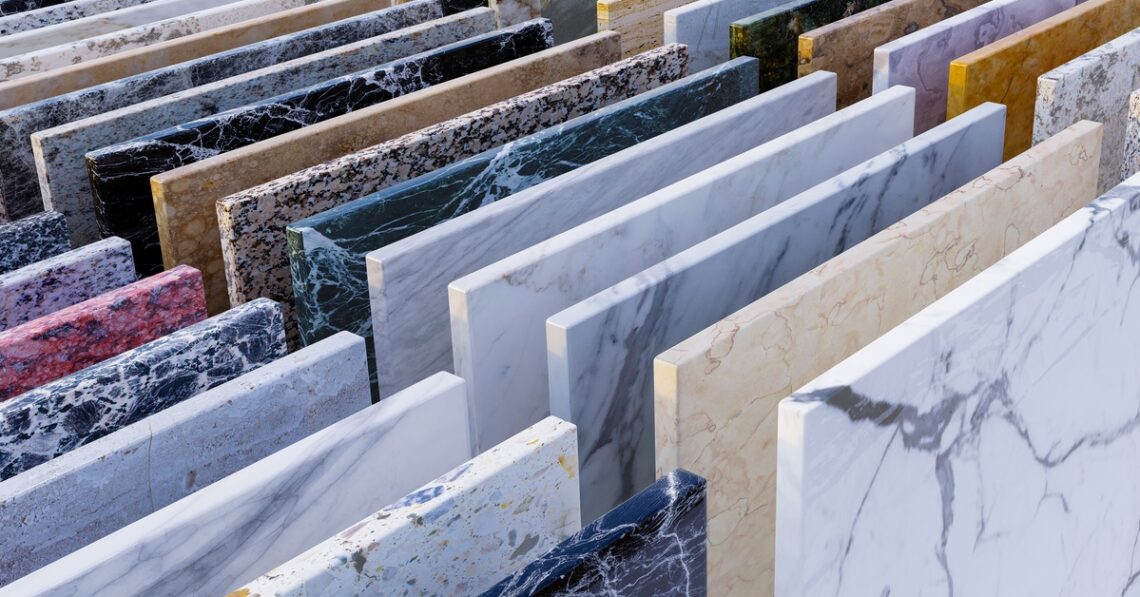
Variation can show up in color, veining, texture, pattern, or movement. Some slabs look soft and consistent, while others show bold contrast. Even slabs from the same bundle can show noticeable differences.
Different types of natural stone can have variations, including:
- Marble
- Granite
- Quartzite
- Limestone
- Slate
Why Small Samples Can Mislead
Small samples help show a basic color family. A sample cannot show the full pattern of a large slab. A countertop may include light areas and darker sections from one end to another. A tiny sample may miss that range completely.
Large slab viewing helps homeowners see movement across the whole surface. This step matters most for stones with strong veining or dramatic color shifts.
Key Details to Check Before Buying
A slab should match the style of the room and the needs of the project. The following details deserve close attention during selection:
- Overall color range
- Veining direction
- Pattern size
- Surface finish
- Edge detail
- Seam placement
- Lighting conditions
Each detail can change the final look. Fabricators can also explain how cuts and seams affect the finished installation.
Think About Lighting
Lighting can change the way stone looks at home. Showroom lighting may make a slab look brighter or warmer than expected. Natural daylight may reveal more detail. Evening lighting may soften contrast and change the tone.
Homeowners should view slabs from different angles when possible. Photos can also help compare stone with cabinets, flooring, and paint colors.
Consider Pattern Placement
Pattern placement matters for countertops, shower walls, islands, and fireplace surrounds. Large veins can become a focal point when installers plan the layout well.
Exploring veining patterns in marble and other natural stone before choosing a slab is important to homeowner satisfaction. That research can make selection easier and more informed.
Kitchens often need extra planning because stone must work with cabinets, hardware, appliances, and flooring. Exploring ideas for unique kitchen design choices can help homeowners implement slabs and create a more personalized space.
Ask The Right Questions
A stone supplier or fabricator can answer practical questions before purchase. Good questions can prevent layout concerns and maintenance issues later. Consider the following:
- Whether the slab needs sealing.
- How the finish handles stains and scratches.
- Where seams will go.
- How much variation should appear in the final installation.
Natural stone variation requires careful understanding and planning before you buy. A full slab visit gives homeowners the best sense of color, pattern, and movement. Clear expectations make the finished project feel more intentional and easier to enjoy.
You May Also Like

Running A Home While Staying Healthy

Should you Buy a Villa or an Apartment?