How Tech and Digital Tools Are Changing the Way People Find and Buy Real Estate
Table of Contents
- The Digital Transformation of Property Searches
- Virtual Tours and Augmented Reality: A New Viewing Experience
- Artificial Intelligence and Big Data: Smarter Decision-Making
- Blockchain: Securing Transactions
- Mobile Applications: Real Estate at Your Fingertips
- Social Media: A New Marketing Frontier
- AI-Powered Tools: Streamlining the Buying Process
- The Role of Experienced Real Estate Professionals
- Conclusion
The Digital Transformation of Property Searches
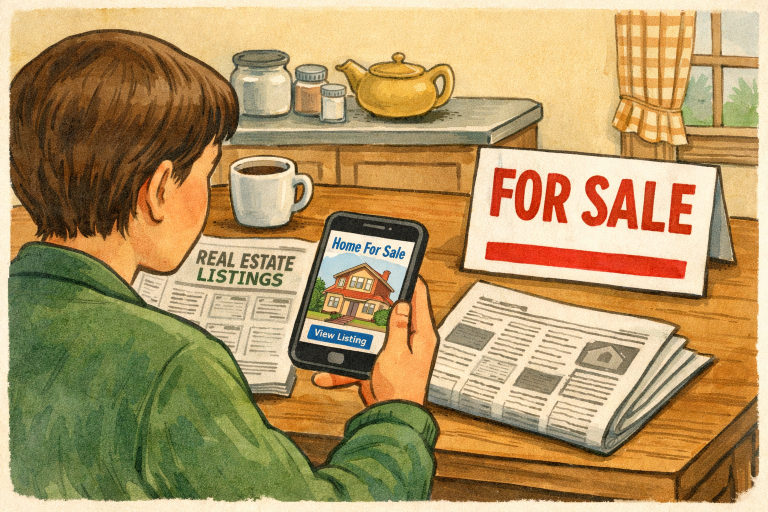
The traditional methods of house hunting, such as perusing newspaper listings or driving through neighborhoods in search of “For Sale” signs, have been largely replaced by online real estate marketplaces. These platforms provide comprehensive listings with high-resolution photos, detailed property descriptions, and neighborhood insights, enabling prospective buyers to explore options from the comfort of their homes.
For those seeking personalized assistance in navigating the digital real estate landscape, working with an experienced professional can be invaluable. For instance, Destin FL real estate agent Yvonne Summerfield offers comprehensive services in the Destin area. As a seasoned broker associate with RE/MAX Coastal Properties, Yvonne provides clients with deep industry knowledge and outstanding service, helping them find their ideal property along Florida’s Emerald Coast. Her expertise spans various property types, including luxury homes, beachfront properties, and investment opportunities.
As more buyers rely on online searches, platforms are continually expanding their features. These include interactive maps, detailed neighborhood analytics, and school ratings, giving potential buyers a holistic view of their new community before ever setting foot on the property. Users can customize searches based on parameters such as pricing, square footage, amenities, and walkability, tailoring the property hunt to their exact preferences. Comparative analysis tools and mortgage calculators now empower even first-time buyers to enter the market with confidence, armed with knowledge that once required professional consultation.
Virtual Tours and Augmented Reality: A New Viewing Experience
Virtual tours and augmented reality (AR) have revolutionized property viewings. Potential buyers can now take immersive 3D tours of homes, examining every corner without setting foot inside. This technology not only saves time but also broadens the scope of property exploration, enabling buyers to consider homes in different cities or states.
In addition to traditional 3D tours, AR applications allow buyers to visualize renovations, rearrange furniture, or stage rooms digitally. These innovations help buyers imagine themselves living in the space and assess whether a property suits their lifestyle or future plans. Sellers also benefit from these technological advancements, as high-quality virtual presentations can attract out-of-state or international buyers who might not otherwise visit in person.
Artificial Intelligence and Big Data: Smarter Decision-Making
Artificial Intelligence (AI) and Big Data have moved from buzzwords to business essentials. Real estate platforms now analyze huge volumes of data to deliver accurate property valuations, predictive market insights, and personalized property recommendations. This data-driven approach empowers buyers with information previously accessible only to industry professionals.
For sellers and agents, AI-powered algorithms can identify market trends and determine the optimal time to list properties, maximizing sale value. Automated chatbots and customer service assistants respond to buyer inquiries instantly, ensuring prompt engagement and reducing friction during the search process. Over time, machine learning capabilities continually refine property recommendations, leading to faster and more efficient matches between buyers and sellers.
Blockchain: Securing Transactions
Blockchain technology is enhancing the security and transparency of real estate transactions. By utilizing smart contracts, blockchain can streamline the buying and selling process, reducing the need for intermediaries and minimizing the risk of fraud. This innovation is particularly beneficial in ensuring the integrity of property records and transaction histories.
The transparency afforded by blockchain extends to title transfers and escrow payments, further strengthening buyer confidence. Streamlined digital signatures and verifiable documentation replace lengthy paper trails, expediting closings and reducing administrative costs. As adoption increases, blockchain promises to make international transactions easier and more secure, opening up more global opportunities for buyers and investors.
Mobile Applications: Real Estate at Your Fingertips
The proliferation of mobile applications has made real estate information more accessible than ever. Users can receive instant notifications about new listings, schedule viewings, and even apply for mortgages through their smartphones. This convenience accelerates the buying process and keeps buyers informed in real-time.
Mobile apps also feature communication portals, document sharing, and e-signature capabilities, reducing the need for face-to-face meetings and paperwork. With the integration of GPS technology, location-based alerts make open houses and nearby listings visible to users as they travel within a desired neighborhood.
Social Media: A New Marketing Frontier
Real estate agents and sellers are leveraging social media platforms to market properties. High-quality images, virtual tours, and live-streamed open houses on platforms like Instagram and Facebook reach a broader audience, engaging potential buyers more interactively.
The ability to run highly targeted ad campaigns enables sellers to reach specific demographics or locations, greatly increasing exposure for each listing. Engaging with potential buyers through comments, direct messages, and interactive Q&A sessions helps build relationships and trust in a highly competitive market. Social proof, such as testimonials, reviews, and video walkthroughs, also bolsters an agent’s reputation and credibility online.
AI-Powered Tools: Streamlining the Buying Process
Innovative AI tools are simplifying various aspects of the real estate transaction. For instance, platforms like Casafy AI use vision-based AI to scan maps and images, identifying properties with specific features, thereby aiding buyers in finding homes that match their criteria more efficiently.
Other AI-driven solutions incorporate predictive analytics for property values and local market forecasts. Automated document processing, e-signature integration, and contract management minimize manual tasks, helping both buyers and agents focus on decision-making rather than paperwork.
The Role of Experienced Real Estate Professionals
While technology has transformed the real estate landscape, the expertise of seasoned professionals remains invaluable. Experienced agents provide personalized guidance tailored to specific needs, combining local market knowledge with a commitment to client satisfaction.
Professional agents bridge the gap between digital convenience and the nuanced realities of real-world transactions. They offer negotiation expertise, access to off-market listings, and help interpret complex inspection or appraisal reports that technology alone may overlook. A trusted real estate agent not only streamlines the journey but also ensures clients have an advocate from initial search to final closing.
Conclusion
The integration of technology into the real estate industry has made finding and purchasing property more efficient and accessible. From virtual tours to AI-driven insights, these advancements empower buyers to make informed decisions. However, the human touch provided by experienced professionals continues to play a crucial role in navigating the complexities of real estate transactions.
As the proptech sector grows, the future of real estate promises even greater integration of smart home technology, enhanced predictive tools, and global marketplaces that remove barriers for cross-border buyers. Yet amid this continued innovation, the focus remains steadfastly on helping people find not just a house, but a place to call home.





2 Comments
Barrie
It amazes me how technology and AI are changing so much online. Some of it is good.
Terri Quick
Great post