How To Manufacture Durable Medical Devices
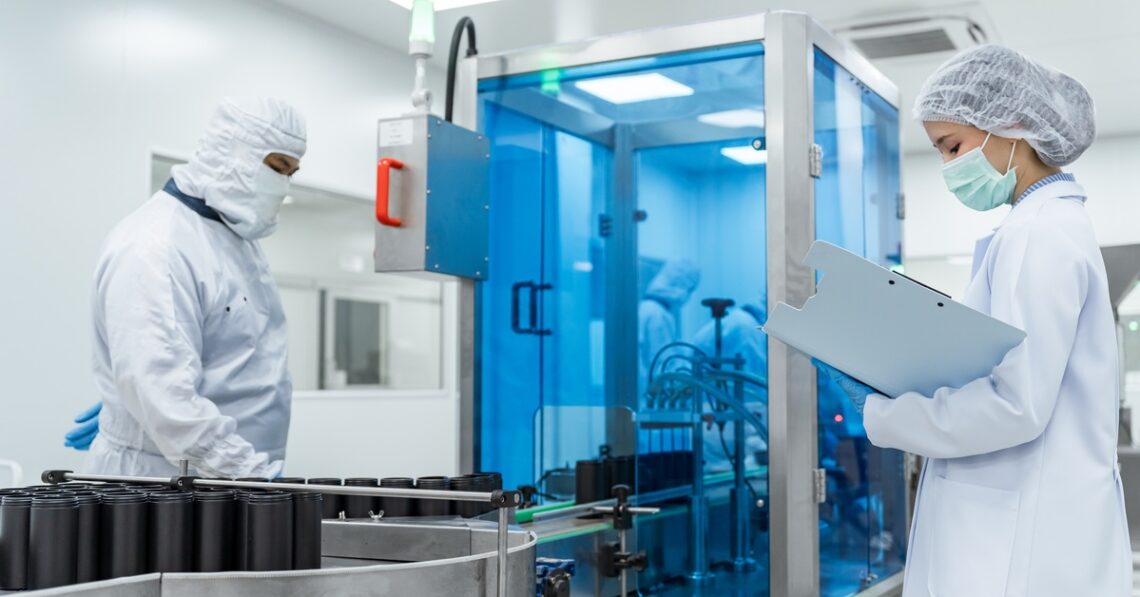
Medical devices can face a demanding life. A component may encounter repeated sterilization cycles, contact with bodily fluids, mechanical loads, temperature shifts, or thousands of operational cycles. Knowing how to manufacture durable medical devices requires a clear view of those demands long before a finished part reaches an assembly. Find out how you can enhance your manufacturing process now.
Start With the Device’s Actual Service Conditions
A durable device begins with a precise definition of its job. Engineers need to account for mechanical loads, chemical exposure, expected service life, temperature, electrical requirements, and sterilization methods. Those conditions narrow the range of materials and production processes suitable for the part.
Consider a component exposed to hundreds of sterilization cycles. Heat, pressure, or aggressive chemicals may place demands on the material that never appear during normal operation. A material with excellent mechanical properties under ordinary conditions could lose its appeal once repeated sterilization enters the picture.
The same logic applies to wear. Components with surfaces that contact one another may require high hardness and resistance to abrasion. Parts near sensitive electronics may place greater emphasis on electrical insulation or thermal behavior. A detailed service profile gives engineers a stronger foundation for every choice that follows. Plus, the sooner you learn how to overcome material limitations in plastic manufacturing, the easier it becomes to keep your production flexible.
Select Materials Around Performance Requirements
Medical-device manufacturers have access to metals, polymers, technical ceramics, composites, and other specialized materials. No single category suits every application. The right choice depends on the combination of properties the device requires.
Technical ceramics can provide attractive characteristics for select medical applications. Depending on the ceramic composition, these materials can offer high hardness, electrical insulation, heat resistance, dimensional stability, and resistance to wear or chemical attack. Alumina, for example, appears across numerous technical applications due to its useful combination of mechanical, electrical, and thermal properties. This highlights the importance of knowing why alumina ceramics outperform alloys in harsh environments.
Material selection still requires a complete view of the design. Ceramics behave differently from metals under mechanical stress, so geometry and load conditions deserve careful evaluation. Engineers also need to consider manufacturability before a design reaches production. A material may look excellent on a specification sheet, but create unnecessary complexity if the geometry conflicts with practical machining limits.
Design Parts With Manufacturing in Mind
A durable medical component depends on more than raw material properties. Part geometry will influence stress distribution, manufacturability, tolerance control, and long-term reliability. Sharp transitions, extremely thin sections, or unnecessarily complicated features can introduce challenges during production and service.
Collaboration between design and manufacturing teams can address those issues before they become expensive. A manufacturer familiar with hard or brittle materials may recommend practical adjustments to radii, wall thicknesses, hole dimensions, or tolerances. Small revisions at this stage can preserve the intended function and support a more predictable production process.
Tolerance decisions deserve the same discipline. Specifying extreme precision across every feature can add cost without a corresponding performance benefit. Engineers can reserve tighter tolerances for dimensions tied directly to fit, motion, alignment, sealing, or another functional requirement.
Use Precision Processes for Hard Materials
Exploring the various ways to manufacture durable medical devices will help you learn the power of precision. Some medical components require materials that resist conventional machining methods. Technical ceramics present a clear example. Their hardness and brittle characteristics call for specialized equipment, tooling, and process knowledge.
Diamond grinding offers a practical route for many ceramic components. Using diamond abrasives removes material from hard ceramic surfaces with a high degree of dimensional control. CNC equipment adds repeatability for complex geometries and production runs that require consistent results from part to part.
Control Surface Quality and Dimensional Accuracy
A medical component can meet its nominal dimensions and still present durability concerns. Surface defects, microcracks, rough areas, or edge damage may create locations where stress becomes concentrated. Those flaws can become more troublesome after repeated loads or extended service.
Surface finish requirements should reflect the part’s actual role. A mating surface may demand a different finish from an isolated exterior feature. The goal isn’t maximum refinement everywhere; it’s the appropriate surface condition for each functional area.
Dimensional accuracy follows a similar principle. Features that interface with other components may require close control so the assembly performs as intended. Reliable manufacturing combines those specifications with stable processes and suitable measurement methods.
Build Inspection Into the Production Process
Inspection works best as part of production rather than a final checkpoint. Measurements taken during manufacturing can reveal process drift before a full batch reaches completion. That approach gives teams a chance to correct a problem before it affects additional parts.
The inspection method should match the feature under review. Precision measurement equipment can evaluate dimensions, geometry, and other specified characteristics. Visual inspection can also reveal chips, cracks, edge defects, or surface abnormalities that dimensional measurements alone may not capture.
Documentation adds another layer of control. Clear records help manufacturers trace results back to specific production stages and confirm that parts meet defined specifications. For medical applications, that discipline supports consistency across repeat orders and long production programs.
Validate Durability Under Realistic Conditions
A component’s durability shouldn’t rest on material properties alone. Validation needs to reflect the conditions the device may encounter throughout its service life. Test plans can account for mechanical loads, thermal exposure, sterilization, chemical contact, wear, and repeated cycles as appropriate for the application.
Accelerated tests may also help teams study long-term behavior within a practical development schedule. The test conditions still need a rational connection to actual service. Excessive stress without that connection can produce results that don’t represent the device’s expected environment.
Test results can feed back into the design and production process. A failure may point to material choice, geometry, surface condition, assembly forces, or another factor. That information gives engineers a path toward targeted revisions instead of broad redesigns.
Medical devices place serious demands on the components inside them, so durable results start well before final assembly. Teams that pair thoughtful engineering with capable precision manufacturing can build components prepared for the mechanical, thermal, chemical, and dimensional demands of service. Contact an experienced precision manufacturer to review material choices and production requirements before the next medical-device component moves from design to production.



One Comment
heather
This was an interesting post to read. I think having durable medical devices is super important and getting high quality part is key.